


If you’ve never employed a house sitting service it can be a confusing and anxiety inducing experience so let us at Vetted Sitters UK put your mind at rest by navigating the way and inform you about the essentials that should be considered. Let’s start with one of the most important questions as in this blog title:
Can I set specific rules and expectations for the house sitter while I’m away?
Absolutely, as the homeowner, you have the right and responsibility to set specific rules and expectations for your house sitters while you’re away. This includes clear communication about their responsibilities, security measures, and emergency protocols. It’s essential to establish boundaries and guidelines to ensure the safety and security of your home and possessions. However, it’s also important to balance this with trust and respect for the house sitter’s privacy during their stay. Finding the right balance will help you have peace of mind while you’re away.
Key Takeaways:
- Setting specific rules and expectations for the house sitter is essential to ensure that your home and pets are properly cared for while you’re away. This can include rules about security measures, pet care, and maintenance tasks.
- Communication is key when it comes to setting and enforcing these rules. Be clear and upfront about your expectations before the house sitter agrees to take on the responsibility, and be available for any questions or concerns they may have while you’re away.
- Trust is crucial in this arrangement. Choose a house sitter that you feel confident with and trust that they can adhere to your rules and expectations, and consider providing a written agreement to solidify the understanding between both parties. See an example of our service agreement here.


Setting the Ground Rules
Clearly defining the rules and expectations for your house sitter is essential for a successful arrangement. By setting clear boundaries and guidelines, you can ensure that your home and belongings are taken care of to your satisfaction while you’re away.
Defining Accessible Areas and Off-Limits Spaces
When it comes to defining accessible areas and off-limits spaces in your home, it’s important to be specific and thorough. Clearly communicate to your house sitter which areas of the house they are allowed to use and which areas are off-limits. This includes bedrooms, personal offices, and any other areas where you keep valuable or private items. By doing so, you can protect your privacy and possessions while giving your house sitter a clear understanding of where they are allowed to go.
Establishing Housekeeping and Maintenance Expectations
It’s crucial to set clear expectations for housekeeping and maintenance while you’re away. This includes tasks such as cleaning, taking out the rubbish, and basic upkeep of the property. Clearly outline the specific chores you expect your house sitter to handle, as well as any additional tasks such as watering plants or collection of parcels. By doing so, a house sitter can maintain the cleanliness and functionality of your home while you’re not there.
Communicating Your Expectations
Some of the most crucial aspects of a successful house sitting arrangement revolve around clear and effective communication. When you’re entrusting someone with the care of your home and pets, it’s essential to clearly convey your expectations to ensure that everything runs smoothly in your absence.
The Art of Clear and Effective Communication
When discussing your expectations with the house sitter, it’s important to be specific and detailed. Clearly outline your requirements for the care of your home, including tasks such as watering plants, taking out the rubbish, and maintaining security measures. Be transparent about any rules or restrictions you have in place, such as certain areas of the house that are off-limits or specific routines for your pets. Listen actively to the house sitter’s questions and concerns, and be open to finding mutually agreeable solutions.
Creating a Written Agreement for Clarity and Legal Protection
To avoid any misunderstandings or disputes, consider creating a written agreement that outlines all of the expectations and responsibilities involved in the house sitting arrangement. This legally binding document can serve as a reference point for both parties and can provide peace of mind in case any issues arise during your absence. Include details such as start and end dates, daily tasks, emergency contacts, and any compensation or reimbursement arrangements. By having a written agreement in place, you can protect both your interests and the house sitters’. A good house sitter will have a minimum of insurance, DBS clearance, experience and checkable references. Don’t be afraid to ask to see these documents and any certificates or other credentials that the house sitter you are considering claims to have.




Handling Specifics and Emergencies
However, setting specific rules and expectations for the house sitter involves more than just day-to-day responsibilities. It also requires planning for potential emergencies and ensuring the house sitter is adequately prepared to handle unexpected situations.
Pet Care Instructions and House Sitter Responsibilities
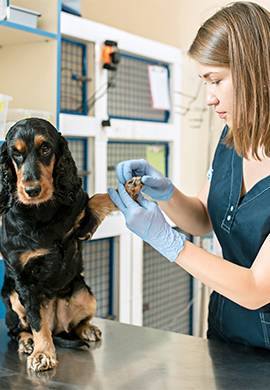
When it comes to pet care, ensure that you provide detailed instructions on feeding schedules, exercise routines, medication administration, and any specific behavioural cues that the house sitter needs to be aware of. Also, make it clear what your expectations are for maintaining the cleanliness of your home in relation to your pets. This includes regular cleaning of pet areas, disposing of waste, and keeping the house free of pet hair and odours.
Emergency Contact Information and Procedures
Provide your house sitter with a list of emergency contact information, including your contact number, the number of a trusted neighbour or friend who you trust to make any difficult decisions in your absence, and the contact information for your veterinarian and pet insurance provider if applicable. In addition, outline specific procedures for addressing emergencies such as power outages, leaks, or any unexpected issues that may arise during your absence. Make sure the house sitter knows where to locate important utility cutoff switches such as the power and stopcock and how to properly operate them in case of an emergency. It’s also a good idea to inform your sitter of any home emergency cover details that you have. If you don’t have home emergency cover you can get a quote for UW’s award winning cover here.
Setting Specific Rules and Expectations for Your House Sitter
With these considerations in mind, it is important to establish specific rules and expectations for your house sitter while you are away. Clearly communicating your needs and preferences will help ensure that your home is well taken care of and that your peace of mind is maintained. By setting specific guidelines for tasks, routines, security measures, and pet care, you can maintain a sense of control and confidence in your absence. Be clear and firm in your communication, and remember to leave room for flexibility and open dialogue. By doing so, you can help ensure a successful and stress-free house sitting experience for everyone involved.


FAQ
Q: Can I set specific rules and expectations for the house sitter while I’m away?
A: Yes, as the homeowner, you have the authority to set specific rules and expectations for your house sitter while you are away. It is important to communicate these clearly and directly to ensure that your home and belongings are properly cared for in your absence.
Q: What kind of rules can I set for the house sitter?
A: You can set rules regarding the care of pets, maintenance of the home (such as cleaning schedules and garden work), security measures, and any specific instructions for handling emergencies. These rules should be reasonable and directly related to the well-being of your home and possessions.
Q: How do I communicate these rules to the house sitter?
A: It is best to communicate your rules and expectations in a clear and written format. You can provide a document outlining the rules, or have a conversation with the house sitter to ensure they understand and agree to follow them. It’s also a good idea to leave emergency contact information and any necessary instructions in case of unforeseen circumstances.
Do you have a top tip for engaging a house sitter?
